Is keto just another wellness trend—or a real game-changer? I tested it for 30 days to find out.
My first keto experiment… and the beginning of my “I have to see this for myself” phase
I’ve always been curious about how food fuels my body. Between research papers, nutrition podcasts, and books on low-carb diets—it’s my weird, nerdy hobby—I had learned about keto long before I tried it. One book that stood out was Fast Like a Girl, which I highly recommend for women looking to sync their diet with their cycle.
But what really grabbed me was the research suggesting keto could improve ADHD symptoms. The more I read, the more success stories I found: improved focus, steadier moods, increased energy, decreased anxiety and depression, fewer seizures, and even positive changes in body composition.
I was 100% all in.
Not because it was trending. Not because Instagram said so. But because I wanted to experience it firsthand—and understand the science behind it.
Thirty days. A full ketogenic protocol. And a lot of curiosity.
The Keto Protocol
The rule was simple:
Prioritize protein
Prioritize healthy fats
Minimize carbohydrates
But there was a catch. You can’t just cut carbs completely—your body will revolt with the infamous keto flu (more on that soon). I set a daily carb limit of 50 grams, planning to decrease it gradually over the weeks as my body adapted.
It wasn’t about restriction. It was about balance, awareness, and giving my body the fuel it needed to function optimally while shifting into a ketogenic state.
My Keto Routine
I usually work out first thing in the morning. That routine didn’t change—but what I put in my body did.
My pre-workout fuel became:
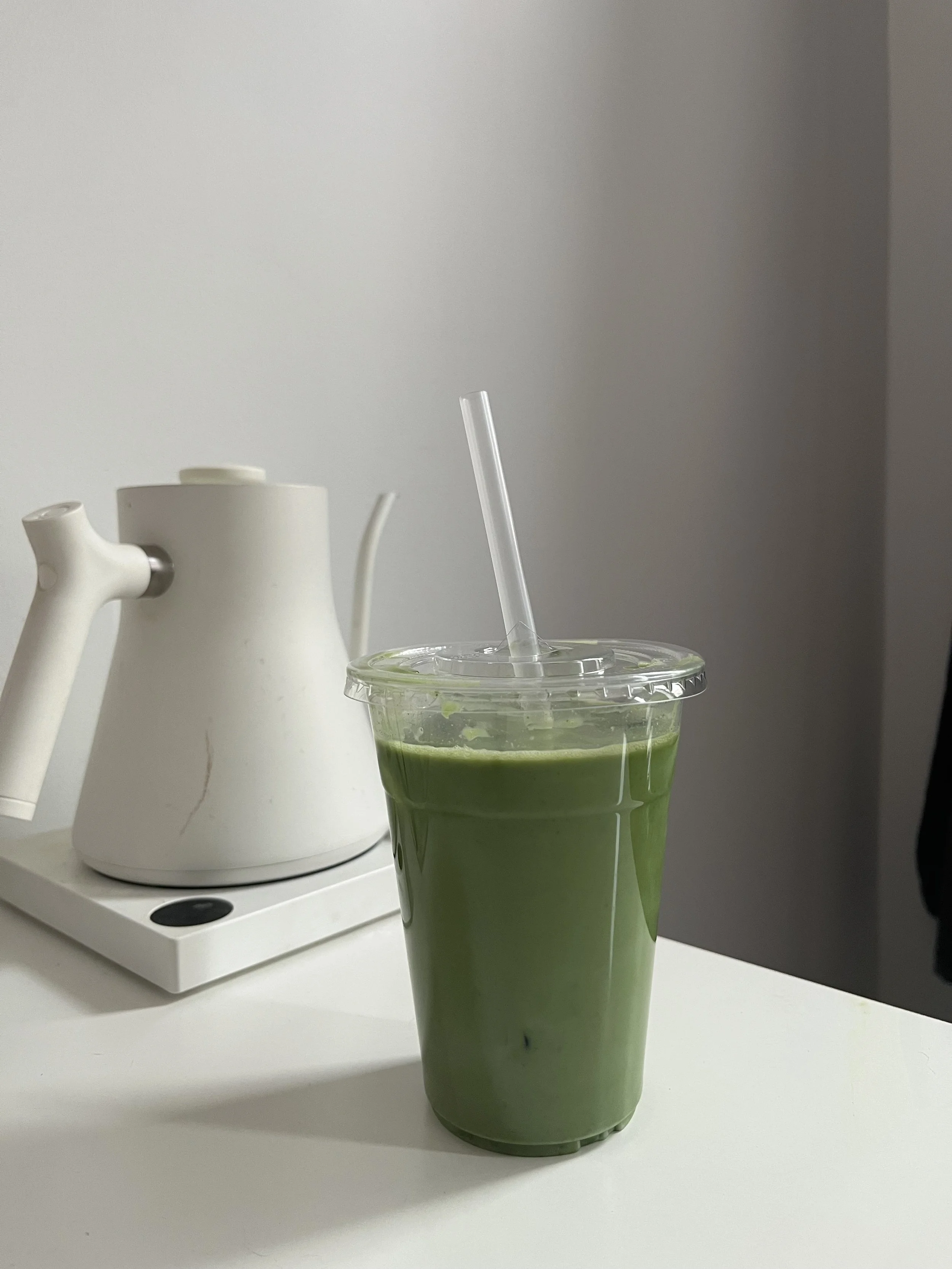
Matcha with unsweetened almond milk (low carb, minimal blood sugar spikes)
MCT oil for healthy fats
If you’re a coffee drinker, the same applies: stick to unsweetened almond milk—low carb—or a sugar-free creamer, but always check the carb count before adding it.
I noticed a big difference almost immediately. MCT oil improved my focus and coordination during workouts. Even months later, I still use it. On days I skipped it, I struggled more with hard exercises, especially in the first few days as my body adapted. But as I stuck to the diet, everything got easier.
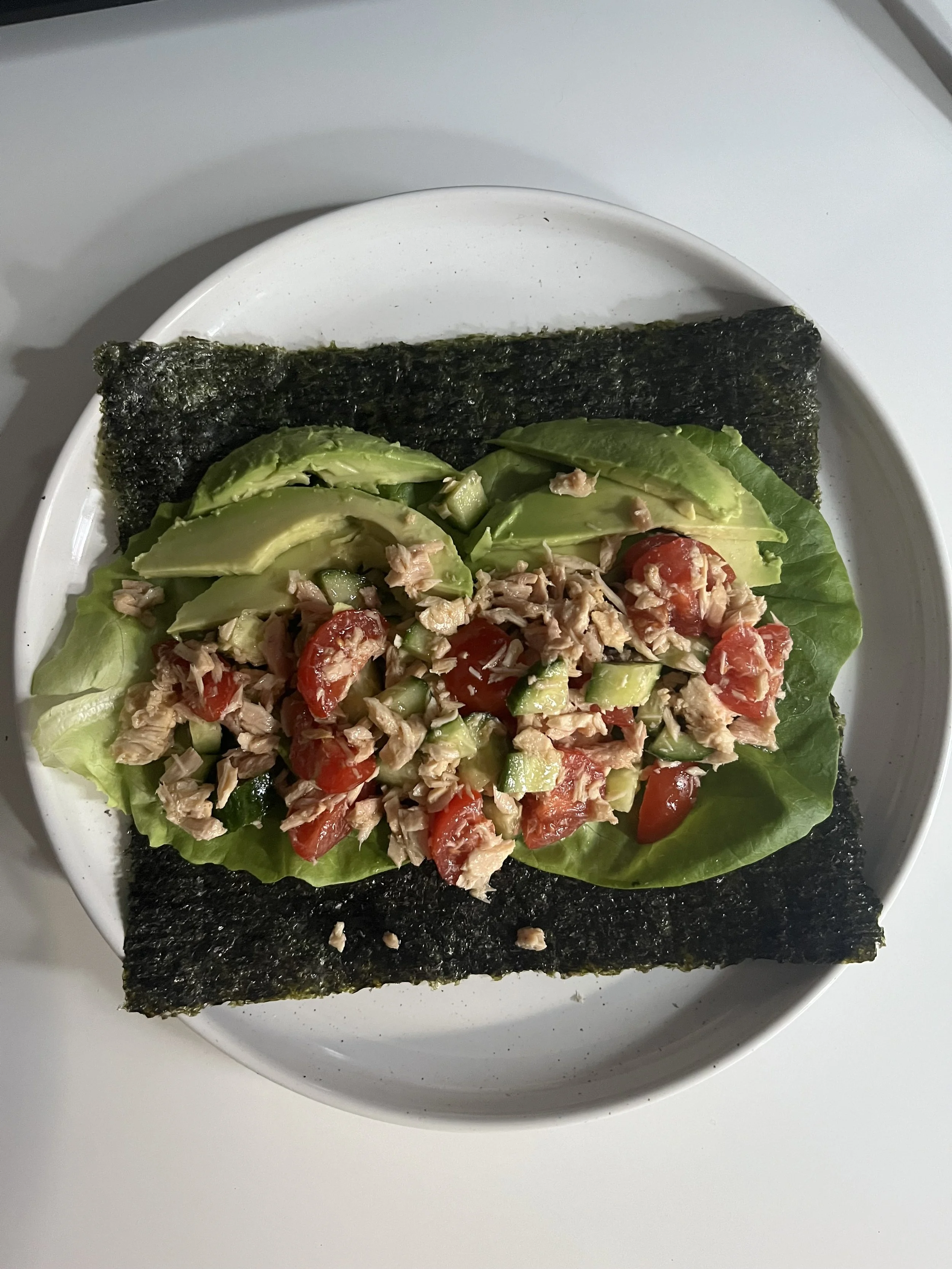
Post-workout, my typical breakfast or lunch became:
Eggs + spinach
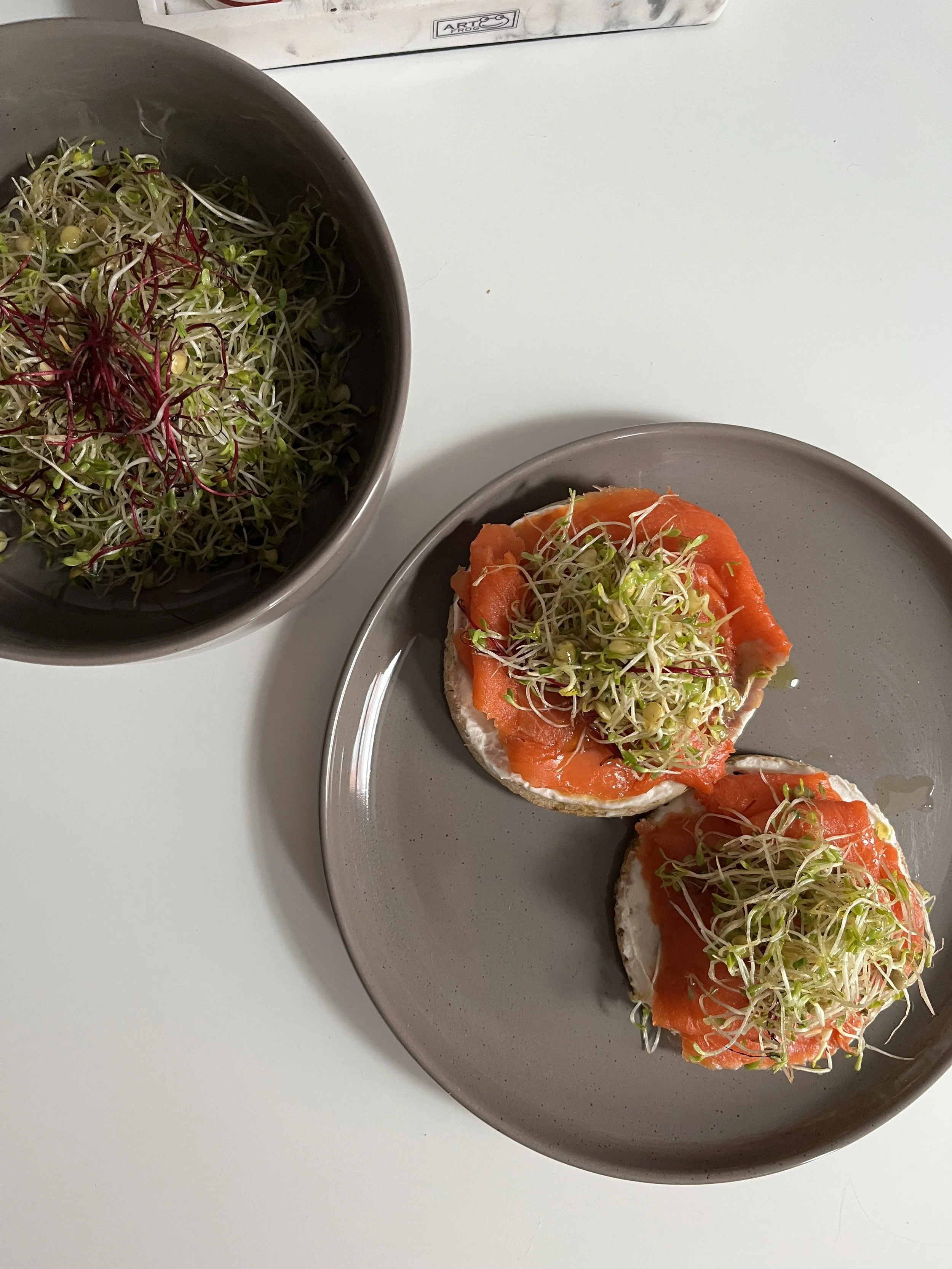
Smoked salmon
Avocado
Sometimes a cup of bone broth for extra protein
Shifting to a high-protein breakfast and lunch changed my energy entirely. No post-meal crashes. No need for extra caffeine or a second matcha. My blood sugar stayed steady, and I felt full until dinner.
If I wanted a snack—which was rare because I was so satiated—it was usually something simple and low-carb:
Hard-boiled eggs
Almond butter on low-carb bread (like Hero Bread, 1 gram of carbs)
My Supermodel Snack from the savory recipes section
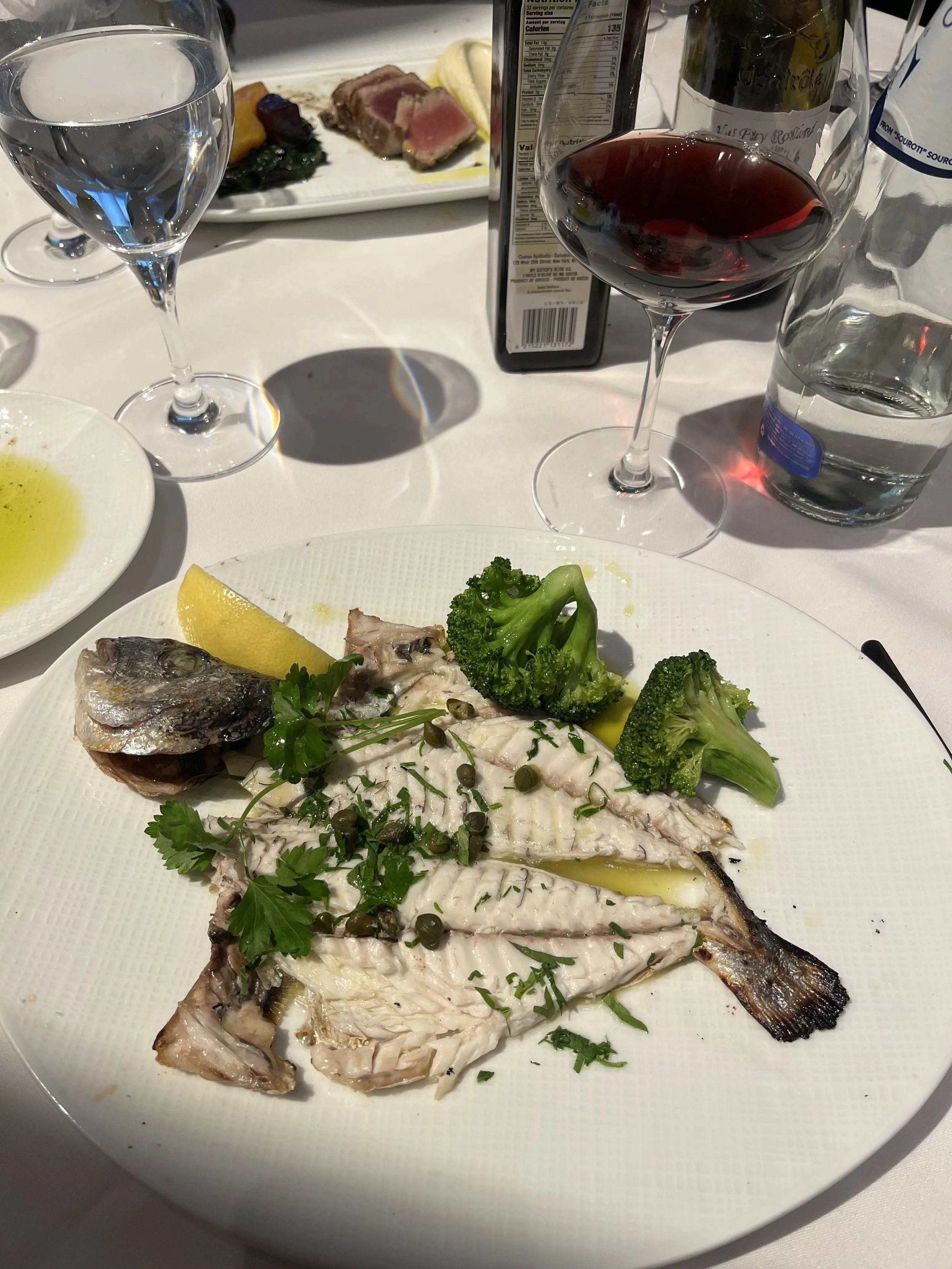
Dinner used to be potatoes with lean fish and broccoli, but I stuck to my keto promise:
A filet of salmon (most nights)
Lots of greens
Occasional shrimp
Sometimes topped with bone broth for an extra 10 grams of protein
Tip: bone broth is a game-changer. I don’t use protein shakes anymore, and adding broth to dinners gives a simple, nutrient-rich protein boost.
And of course—a little sweet treat is still part of the plan. Enter keto ice cream—my life-changing discovery. It’s quick, simple, and satisfying, and I’ve even shared it with friends and family. Five minutes, zero guilt, and it actually hits the craving.
The First Few Days
Cutting carbs made workouts the biggest challenge in the first few days. My body was adjusting to a new fuel source, so exercises that felt normal suddenly required more effort.
My advice? Start slow. Give your body time to adapt. As your energy stabilizes, gradually increase the intensity of your workouts.
After the First Week
By the end of the first week, I noticed a shift. Satiation improved—I didn’t need as much food as I expected. Sleep felt deeper and more restorative, yet I didn’t need extra hours in bed.
Mornings came with a surprising burst of energy. I felt alert, focused, and ready to go. My cognitive clarity improved—I could fully engage in conversations without zoning out (which, let’s be honest, can be tricky sometimes).
The Takeaway
This all brought me back to one key truth: steady blood sugar is the foundation of a productive, energized day. Even if you don’t try keto, the experiment proved that minimizing blood sugar spikes gives your mind and body more strength and focus.
I know—it can feel overwhelming to track sugar in beverages, snacks, and packaged foods. But once you commit to cooking at home and being intentional with your ingredients, something shifts. Preparing meals for yourself, choosing foods that truly nourish, and fueling your body with purpose is incredibly rewarding—and it shows in both energy and well-being.
Keto in the Real World
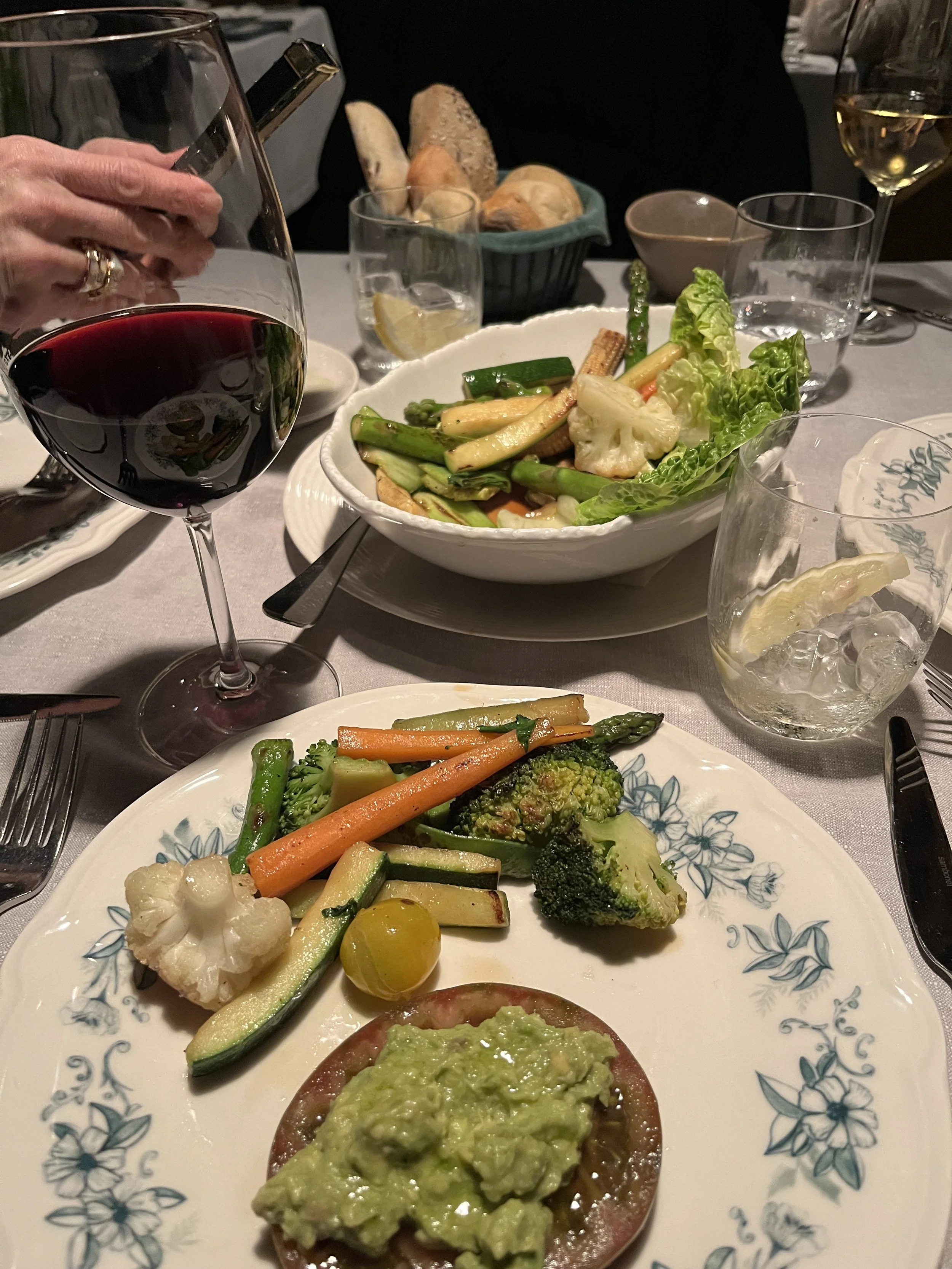
Going keto doesn’t mean missing out on life. I always brought my keto-friendly snacks and beverages to a recent function, compromising without feeling deprived.
And yes—you can still enjoy a drink. I opted for sugar-free wine by Avaline, which I swear on my life you need to try. The notes are still amazing, and I’ve even gotten friends hooked on it. Keto doesn’t have to feel restrictive—it’s about making choices that keep you energized, satisfied, and still part of the fun.