Your Skincare Routine Starts on Your Plate.

After years in the dermatologist’s office, I realized the one thing I hadn’t tried was changing what was on my plate.
I struggled with cystic acne for years — through high school and into college.
If you’ve lived with acne, you understand the quiet erosion of confidence. The way it lingers in photos. The way it shapes how you show up.
I tried everything. Topicals. Antibiotics. Strict routines.
Eventually, I found myself sitting in a dermatologist’s office being offered what was presented as the only definitive solution for “hormonal acne.”
There was no conversation about inflammation.
No discussion of blood sugar.
No mention of the gut-skin connection.
Nutrition wasn’t part of the equation.
But something in me hesitated.
The Internal Question
What if my skin wasn’t the problem — but a messenger?
At the time, holistic nutrition wasn’t mainstream — especially not where I was living in Louisiana, surrounded by incredible Cajun food and deep-fried comfort on every corner.
Still, I decided to experiment.
Not from restriction.
From curiosity.
I removed ultra-processed foods, refined sugar, dairy, and fried foods. I focused on whole ingredients. Balanced meals. Blood sugar stability.
Within two weeks, my skin shifted.
The cystic inflammation softened.
The redness calmed.
No new prescriptions.
Just intentional dietary change.
What Was Actually Happening
Acne isn’t simply a surface issue.
It’s often connected to three internal drivers:
Chronic inflammation.
Hormonal fluctuations.
Blood sugar instability.
When blood sugar spikes rapidly, insulin rises. Elevated insulin can increase androgen activity — hormones that stimulate oil production in the skin.
More oil + inflammation = the perfect environment for cystic breakouts.
Refined sugar and ultra-processed carbohydrates don’t just affect weight — they influence inflammatory pathways, gut permeability, and hormonal signaling.
And the gut?
It plays a direct role in immune regulation and skin integrity.
When I stabilized my blood sugar and reduced inflammatory foods, I wasn’t just “eating clean.”
I was lowering systemic stress.
And my skin responded.
The Unexpected Shift
What surprised me most wasn’t just the visible change.
My mood stabilized.
The puffiness I had normalized disappeared.
My energy felt steady — not reactive.
Looking back, I likely had been living in a low-grade inflammatory state for years.
My body wasn’t failing me.
It was communicating.
That moment reshaped everything.
What “Eating Your Skincare” Actually Means
For me, it’s foundational — not extreme.
Extra virgin olive oil for its anti-inflammatory polyphenols.
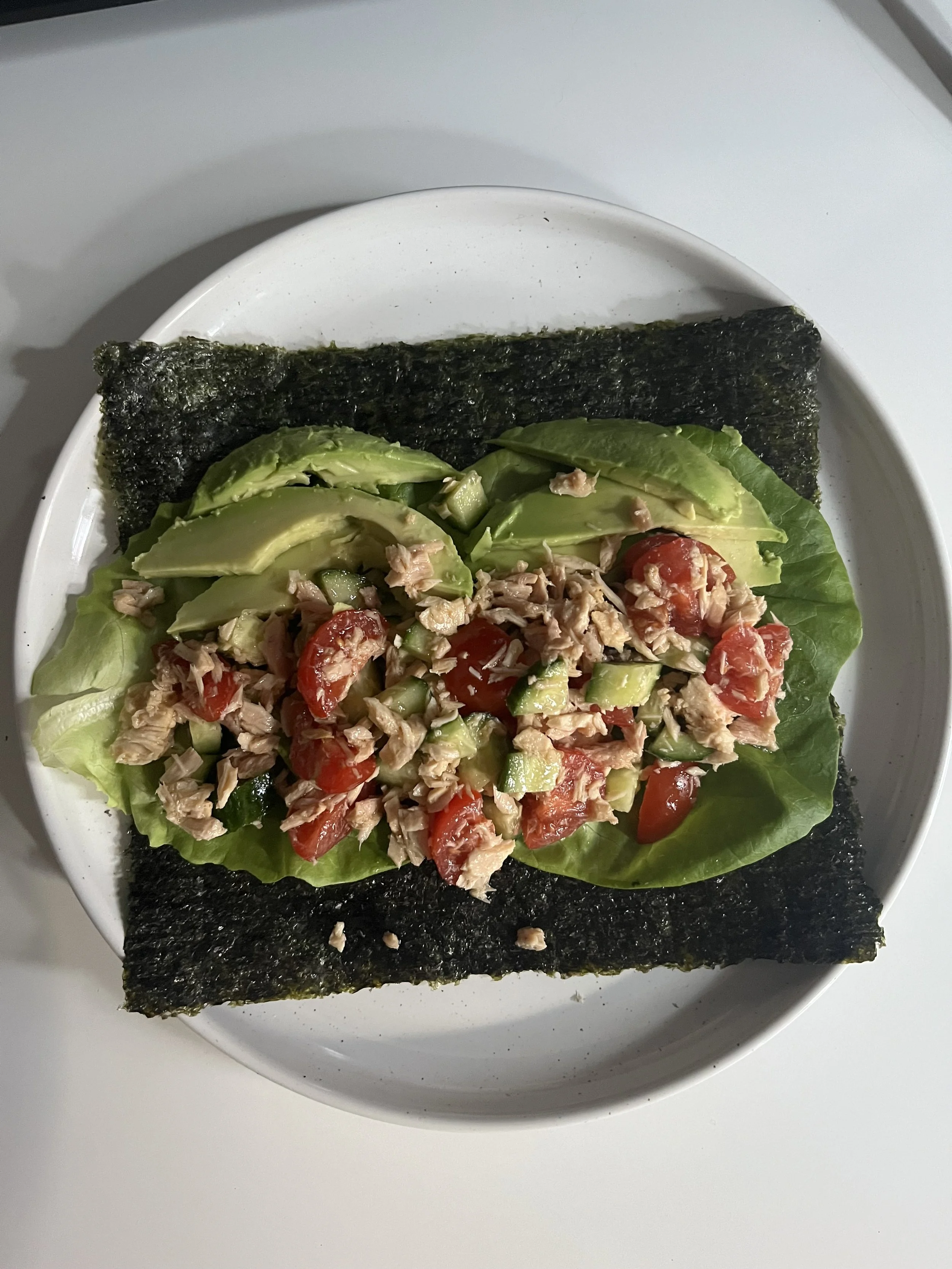
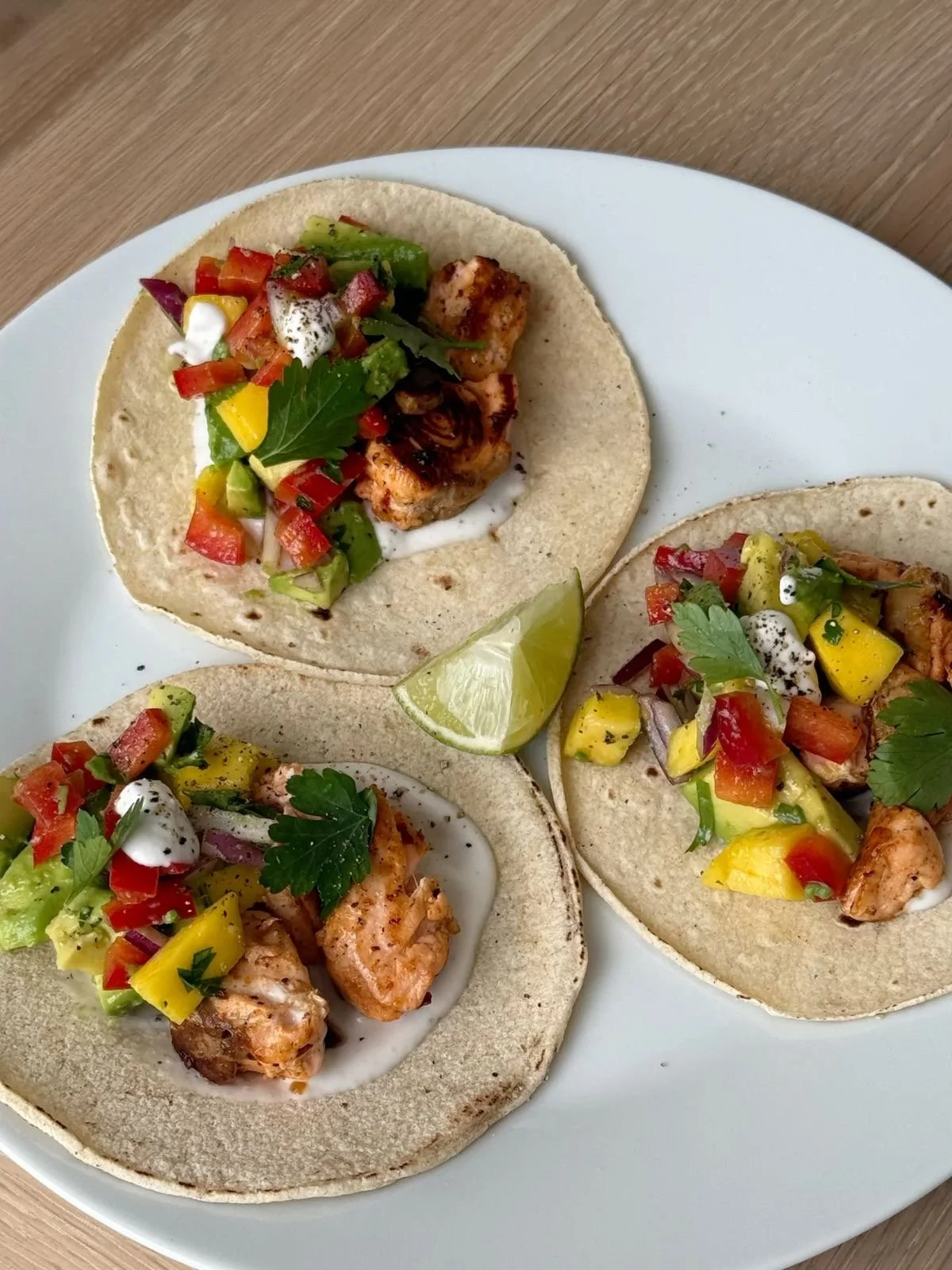
Avocado for vitamin E and barrier-supportive fats.
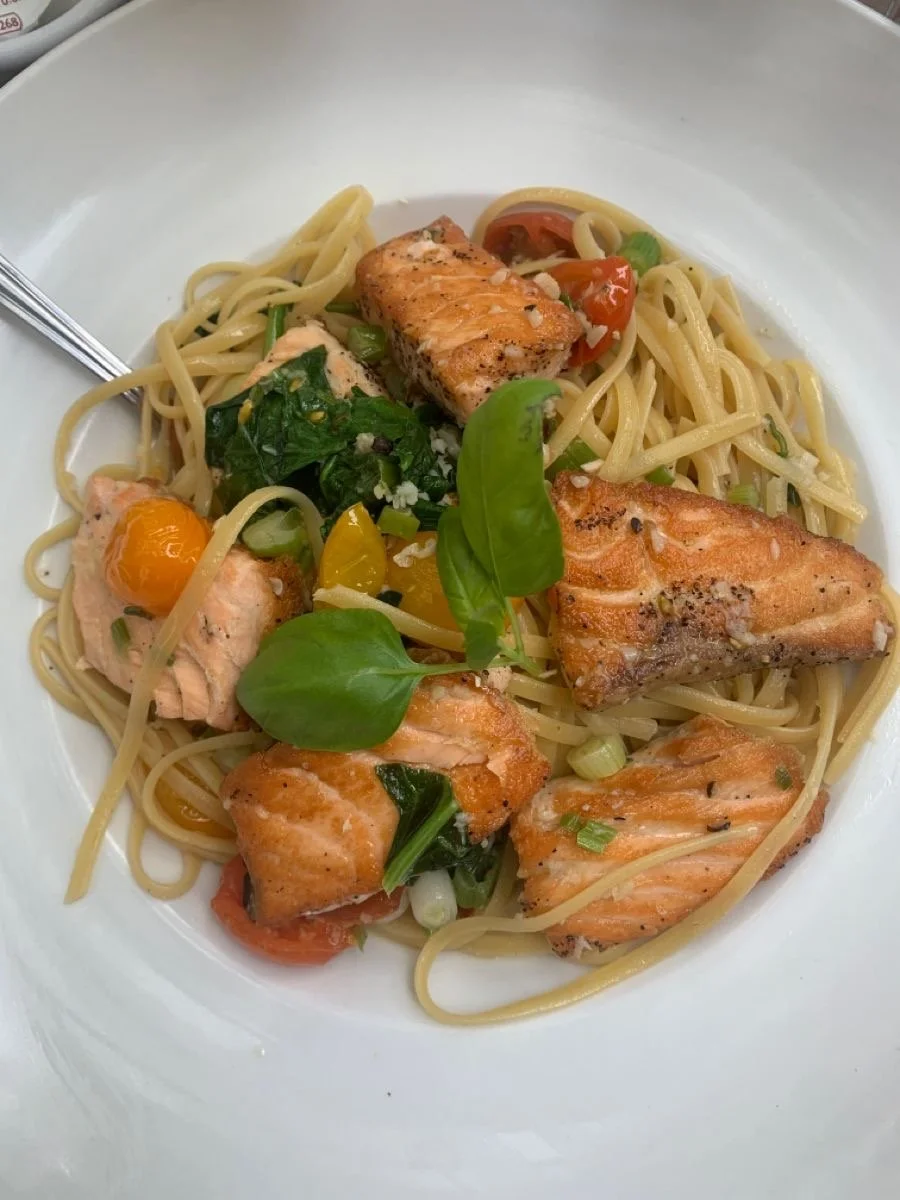
Wild salmon for omega-3s that regulate inflammatory signaling.
Complex carbohydrates like quinoa to prevent blood sugar spikes.
Bone broth for glycine and collagen-supportive amino acids.
And hydration — consistently, intentionally.
These aren’t trends.
They’re physiological support.
Before serums.
Before prescriptions.
Before chasing the next miracle product.
The glow begins within.
The Real Takeaway
This isn’t about perfection.
It’s about alignment.
When you understand that food influences inflammation, hormones, gut health, and cellular turnover, you stop eating randomly.
You start eating strategically.
Not from fear.
Not from restriction.
But from self-respect.
Because every meal is either calming inflammation — or fueling it.
And once you understand that, you choose differently.
